



Marikana coalition youth centre
Building a future beyond mining
In South Africa, Scania is supporting the Marikana Youth Centre, a project working to provide brighter futures for children in the platinum mining town of Marikana.
For young people in Marikana, a town in South Africa’s Rustenburg industrial hub, mining has long been a vital source of employment. The area has been a key source of platinum for decades, and mining provides a lifeline to work and opportunity in a region with soaring rates of unemployment and a chronic lack of schools, among many other social problems. But what happens when that lifeline is no longer available? With mines in Marikana nearing the end of their lifecycle and mining activity due to be scaled back over the next few years, young people in the region are facing an uncertain future.
To help address the problem, Scania is supporting the Marikana Youth Centre, a project working to provide brighter futures for children and young people in Marikana. As part of the coalition, Scania is working together with the local mining company Sibanye Stillwater, NGOs and other stakeholders to turn an unused mine building into an educational facility. The new youth centre will provide after-school support, delivering careers advice and occupational training as well as creating a safe, supportive space for young people to connect, make friends and have fun.
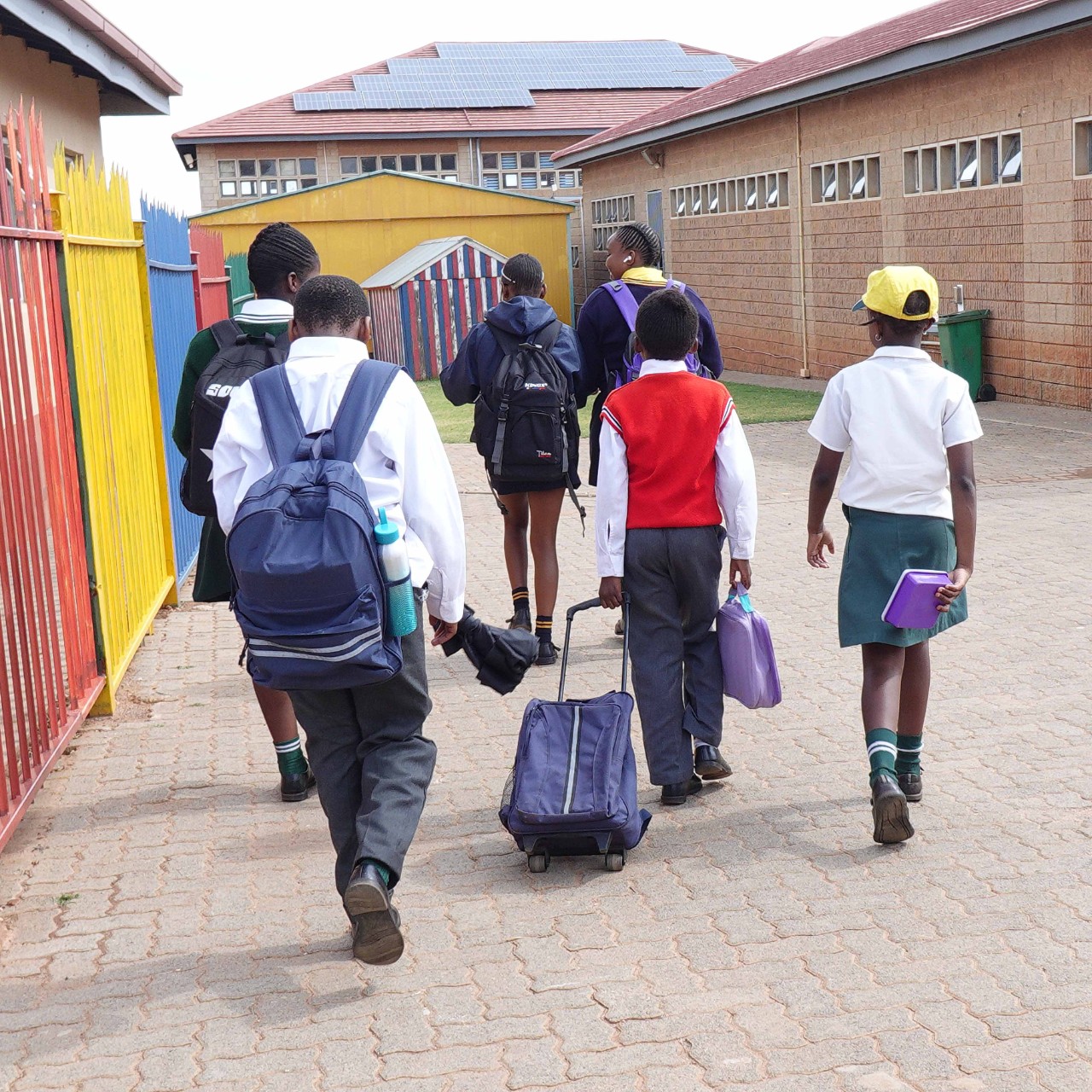
“Afrika Tikkun has been running youth development programs in South Africa for 30 years, and we believe that the Marikana Youth Center, supported by Scania and Sibanye Stillwater will transform the lives of thousands of young people in a severely socio-economically deprived community.“
Kelly Rosentahl, Executive: AT Outreach Movement, Afrika Tikkun
Leaving a positive legacy
For many years, we’ve been looking into the human rights risks associated with certain raw materials, including platinum, which we use in our catalytic converters, explains Helena Delteus, an expert in human rights due diligence at Scania and one of the driving forces behind the project. The sourcing of platinum has social impacts, so it’s really important to us to find ways to manage this risk and leave a positive legacy in communities affected by platinum mining. This project ticks all the boxes, Helena continues. It’s about supporting a just transition: giving children and young people a future beyond mining.
Our support for the Marikana Coalition is just one example of Scania’s commitment to people sustainability in our supply chain, with a special focus on high-risk raw materials such as platinum.
2025 project development
In 2025, Scania continued to play an active role in strengthening the Marikana youth and education centre and expanding the opportunities available to children and young people in the community. More than 1,400 children and youth were registered during the year, with 376 actively engaged in programmes.
During 2025, the expansion of the centre was completed, enabling the facility to welcome more children and youth and broaden the scope of its activities. This development significantly increases the positive impact the centre can have in Marikana.
To further reinforce the support provided, a qualified Social Worker joined the centre in 2025 to help ensure that psychosocial support is available to address issues such as trauma, family stress and exposure to violence – challenges that are common in the region. This addition strengthens the centre’s ability to offer holistic, continuous support to the young people who rely on it.
Scania voices
A project update from Helena Delteus, Sustainability Expert, Supply Chain Sustainability.
When it comes to managing risks in our supply chain, we need to look beyond just our tier 1 suppliers. It’s about identifying the greatest risks for negative impact, wherever they are in the value chain. And often the biggest risks related to raw materials are associated with mining, refinery or smelting. At Scania, we believe it’s important to look further away from our direct business to see where we have the potential to make a positive impact.
The centre will mainly function as an after-school facility for local school children and young people. The centre will have computers, so it’s a safe environment to come and do homework. Older youths will also be able to come for careers and employment guidance, including advice about creating CVs. We also want it to be a social hub for young people in the community – a place to have some food, connect with other kids, and learn something new.